Find my pathway
Get action ideas that fit your interests and available time.
Find your place in sustainability. Learn something useful, try a real-world idea and discover what matters to you.
Choose what suits you today.
Get action ideas that fit your interests and available time.
Short quizzes, choices and sustainability puzzles.
Discover how global goals connect with everyday life.
Useful for further education, vocational learning and university study.
There is no pressure to keep a streak or compete with other learners.
We help you record learning, action and evidence separately.
Short, practical lessons with five thoughtful questions each. Learn at your own pace, explore the explanations and try the ideas in everyday life.
Create a room, invite your friends and discover a different mix of questions each time.
Choose a quick challenge, explore a decision or solve a puzzle. Play for understanding, not just points.
Five questions that make you think.
Make a choice and explore the trade-offs.
Put the stages of a thoughtful project in order.
Tell us what interests you and what is realistic this week. Explore a few ideas, choose one and make it your own. You can change your choices at any time.
Your selections stay on this device. Suggestions are starting points, not assessments of your abilities.
Select a goal to read its official United Nations explanation. Explore each goal and follow its official United Nations link.
Official SDG information: United Nations Sustainable Development Goals ↗. This project is independent of the UN. View the official UN SDG icons ↗
A private record in this browser. Record activities honestly, including what did not work. Nothing here is independently verified.
This prototype uses browser storage. Do not enter confidential or sensitive personal information.
An experimental self-reflection tool. It is not a validated psychological scale, a diagnostic test or an impact score.
Choose how strongly you agree. You can skip this entirely. Responses remain on this device unless you export them.
A learner may understand sustainability without having the time, money or opportunity to participate.
Completing an activity does not establish a measurable environmental or social outcome. Independent evidence is needed.
Research status: provisional items for demonstration only. Content validity, reliability, accessibility, measurement invariance and effectiveness have not been established.
External courses from established providers. Always check the course page for current availability, fees and certificate conditions.
Sustainability did not begin in 2015. Communities have long developed knowledge about land, water and resources. The SDGs offer a contemporary framework for shared challenges.
Knowing about sustainability is not the same as knowing how to take part. Students may encounter the Sustainable Development Goals in a lecture, a news story or a campus campaign, yet still wonder what they can realistically do with that knowledge.
CommonGround was created to help close that gap. It brings short, evidence-informed lessons, playful challenges and practical activities into one place, then helps students choose a next step that fits their interests, studies, time and circumstances.
There is no single route into sustainability. A student on a technical course, an apprentice and a postgraduate researcher may have different opportunities to contribute. Here, each can learn, try something manageable, reflect on the outcome and build a personal record of participation.
Our ambition is simple: make sustainability feel less like a distant global agenda and more like something students can understand, question and shape in their own communities.
The approach draws on sustainability education and reflective practice. Its educational effects will need to be tested with students.
Open to different learners. Clear language, flexible time commitments and options for different qualifications, abilities and circumstances.
Learning that leads somewhere. Every topic should help students think more clearly, make a decision or identify a practical action.
Curiosity over perfection. Questions, games and reflection are opportunities to learn, not tests of personal worth.
Evidence before assumptions. We distinguish what someone knows, what they report doing and what can actually be verified.
Respect for people and place. Local and Indigenous knowledge matters, but all claims and practices deserve thoughtful, contextual examination.
Progress worth recognising. Students can record activities and celebrate milestones without confusing self-reported participation with an accredited qualification.
Teaching experience, academic enquiry and a commitment to making sustainability education useful in everyday life.
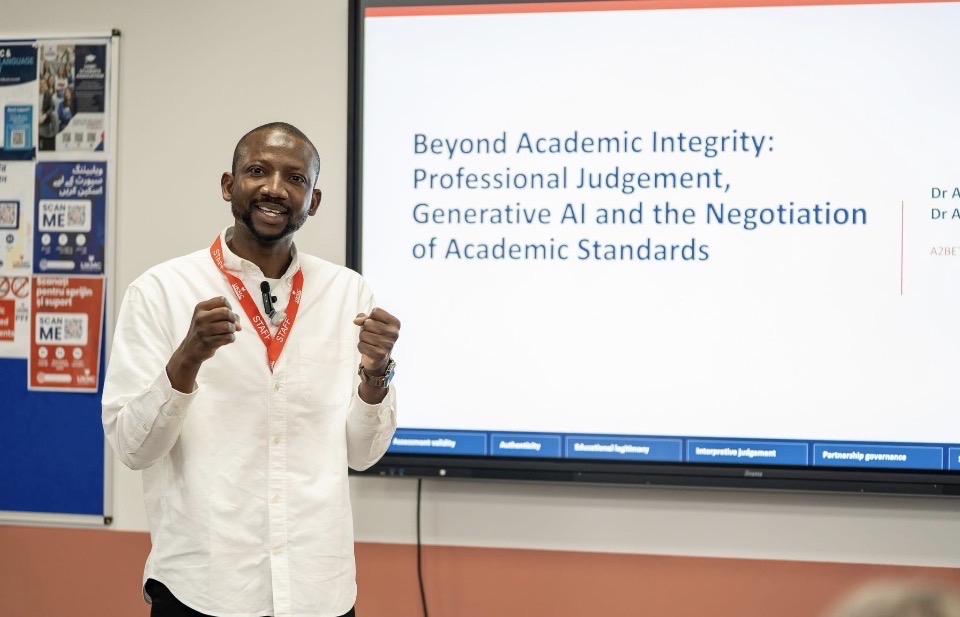
Educator, researcher and the person behind CommonGround. Dr Abbas Mohammed brings together experience in teaching and academic research with a longstanding interest in how people learn about sustainability and put that knowledge into practice.
His work in Education for Sustainable Development dates back to 2016–17, when he explored sustainability with students through questions about everyday decisions, communities and the wider world. He completed his PhD at the University of Plymouth in 2024, further developing his commitment to careful enquiry and meaningful education.
CommonGround grows from a question that has stayed with him: what happens after a student understands the problem? The application is his response : a place where learners across vocational, further, higher and professional education can explore ideas, test their judgement, discover realistic opportunities and reflect on what they do.
At its heart is a belief that sustainability education should not stop at awareness. It should help people develop the confidence and practical opportunities to participate, while recognising that every learner starts from different circumstances.
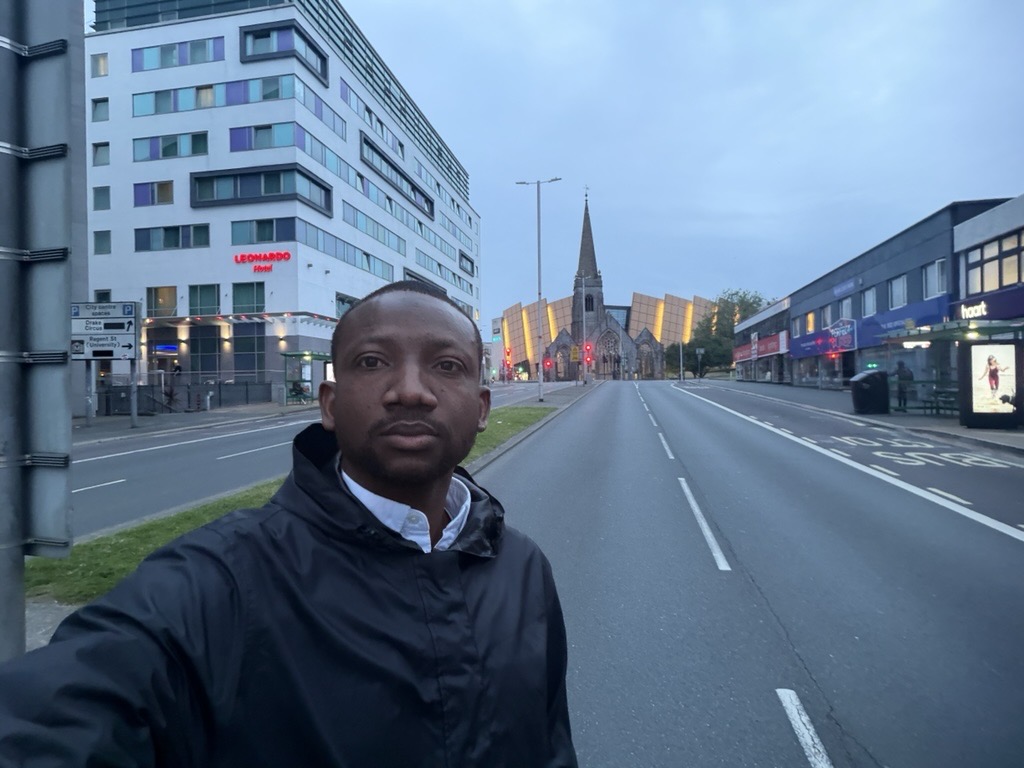
Dr Mohammed’s interest in sustainability extends beyond formal teaching. Through public discussion and educational work, he encourages people to ask how environmental and social challenges affect their communities : and what informed participation can look like in practice.
The conversation below offers another perspective on the ideas that helped shape CommonGround.
© 2026 Dr Abbas Mohammed. CommonGround is an independent educational project.
Start a sustainability quiz, share a six-letter room code and play together on your own phones. No student account needed.
Short rounds, thoughtful answers and explanations that matter more than speed.
Start a room for your class, friends or study group.
Enter the code shared by the host.
Connecting…
Questions focus on evidence, choices and the SDGs. Speed does not determine the score. Students may use a screen reader or take part without a leaderboard identity beyond their chosen display name.
Invite your friends with a room code and learn together.
Explore a realistic challenge, weigh up the options and design an action you could actually try. No right answer is worth more than good reasoning.
What would convince someone that an activity made a difference?
Select the types of evidence you could reasonably collect. Avoid recording anyone's personal details.
Optional spoken reading. Choose a voice and speed, then select Read page.
Ready when you are.